
Oracle's new ASM Filter Driver in 12.1.0.2 promises cleaner I/O filtering than ASMLib – here are the initial installation findings and what to watch out for with 4k devices.
Category: Storage
Storage is the foundation on which database performance is built. Latency, throughput, and consistency at this layer directly shape how systems behave under load.
While often abstracted away in modern architectures, storage characteristics continue to define the limits of what databases can achieve – especially as workloads become more demanding and less predictable.
Understanding Flash: SLC, MLC and TLC
SLC, MLC and TLC NAND flash differ in how many bits each cell stores. More bits per cell means lower cost and higher density – but slower performance and reduced endurance. This article explains the trade-offs for enterprise storage.
Understanding Flash: Blocks, Pages and Program / Erases
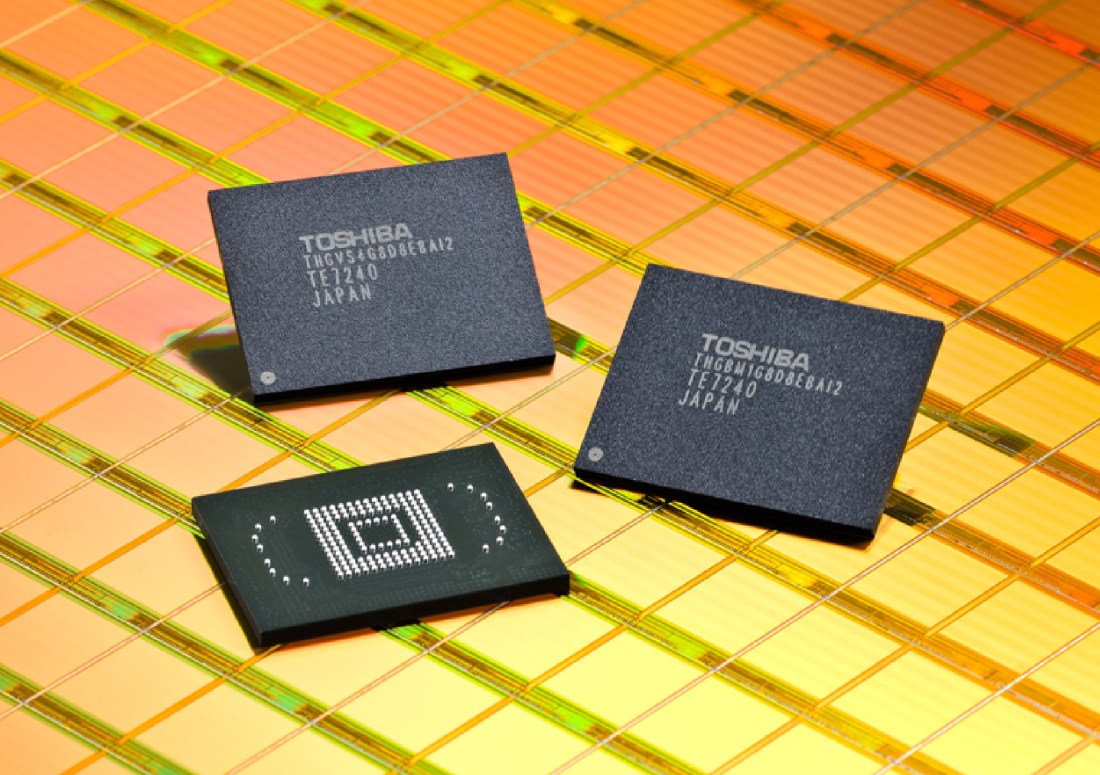
NAND flash memory stores data in pages but erases in blocks – a fundamental asymmetry that shapes everything from SSD performance to all-flash array design. This article explains the program/erase cycle and why it matters for database storage.
New My Oracle Support note on Advanced Format (4k) storage
A new official Oracle support note on Advanced Format 4k storage – co-authored with Oracle ASM Development to replace the confusing and inconsistent guidance that existed before.
Understanding Flash: What Is NAND Flash?

NAND flash memory was invented in 1981 by Dr Fujio Masuoka at Toshiba. This article explains how flash works, why it differs from EPROM and EEPROM, and why program and erase operations behave differently.
Understanding Disk: Caching and Tiering

Caching and tiering promise to hide the performance cost of spinning disk – but both rely on predicting the unpredictable, and the slowest tier always waits.
The Ultimate Guide To Oracle with Advanced Format 4k
Everything you need to know about running Oracle on Advanced Format 4k storage – a high-level overview and a full Oracle deep dive, in one place.
Postcards from Storageland: Two Years Flash By
The start of March means I have been working at Violin Memory for exactly two years. This also corresponds to exactly two years of the flashdba blog, so I thought I'd take stock and look at what's happened since I embarked on my journey into the world of storage. Quite a lot, as it happens... … Continue reading Postcards from Storageland: Two Years Flash By
More Problems with Oracle’s Support of 4k Devices
Bypassing ASM and using a filesystem doesn't escape Oracle's 4k compatibility issues – here's what breaks when you put Oracle on a 4k native device without ASM.
Oracle ASMLib: Physical and Logical Blocksize
The ORACLEASM_USE_LOGICAL_BLOCK_SIZE parameter controls how ASMLib handles 4k Advanced Format devices – here's what it does and when you need to change it.

