
Oracle AWR reports contain multiple I/O sections that measure subtly different things – here's what each one actually captures and why conflating them leads to the wrong conclusions.
Oracle AWR Reports: Understanding I/O Statistics

Databases are the systems of record at the centre of the enterprise. They exist to ensure correctness, durability, and control over critical data.
For decades, they have been optimised around human interaction – predictable query patterns, bounded concurrency, and clear operational ownership.
That assumption is now under pressure. As AI systems begin to interact directly with data, the database remains the point of truth… but the way it is accessed is starting to change.
Oracle AWR reports contain multiple I/O sections that measure subtly different things – here's what each one actually captures and why conflating them leads to the wrong conclusions.
Oracle patched the SPFILE failure on 4k devices in 11.2.0.4 – but the underlying support for Advanced Format storage remains incomplete and unreliable.

Flash vendors routinely quote “effective capacity” figures based on optimistic data reduction assumptions – understanding what those numbers really mean is essential before signing a purchase order.
With the X4's flash capacity changes examined, this post asks the harder question: is Oracle quietly turning Exadata into an all-flash array – and what would that mean for pricing?
It's that time of year again where lots of people write articles which begin with the words "It's that time of year again..." and make endless references to crystal balls, tea leaves and the benefits of hindsight. But not me, I'm not descending into cliché. Apart from that first sentence, which with the benefit of … Continue reading Predictions for 2014: DataBase-as-a-Service
The Exadata X4 announcement looked like a routine spec bump – but a closer reading of Oracle's positioning reveals something more significant about where the product is heading.
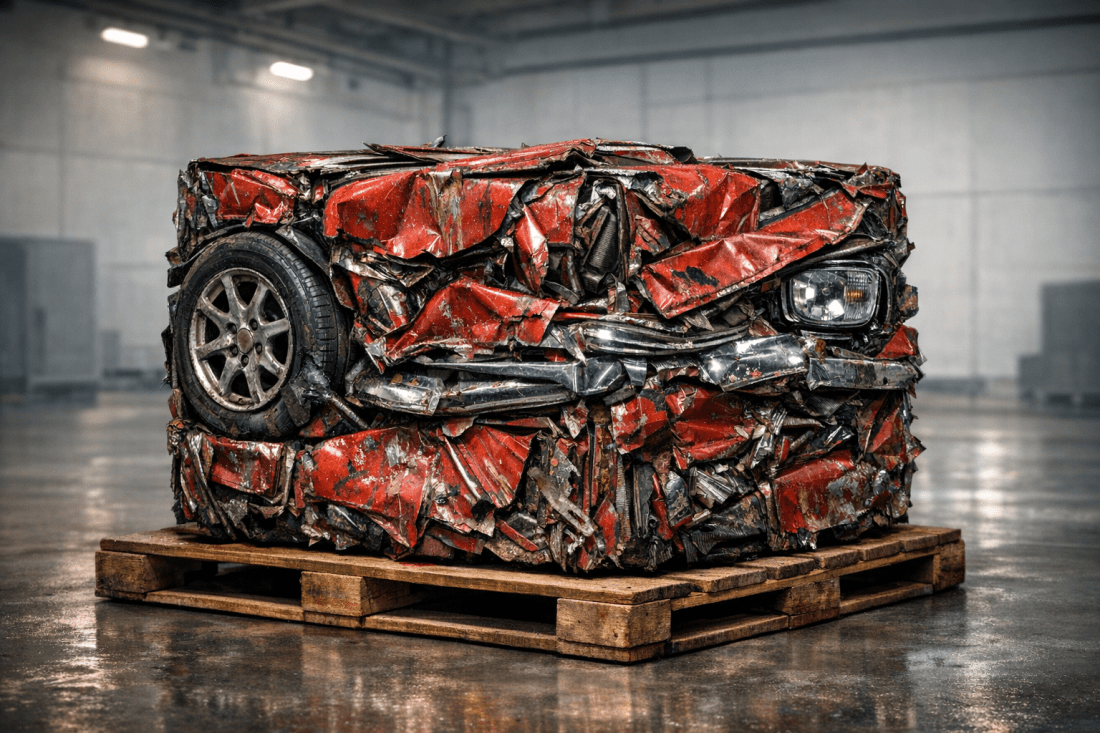
Storage-level compression trades capacity for CPU cycles and read latency – understanding that trade-off matters more than the headline reduction ratios vendors put in their datasheets.

Data deduplication promises capacity savings, but databases are one of the worst use cases for it – the technology’s assumptions break down against the entropy and I/O patterns of database workloads.
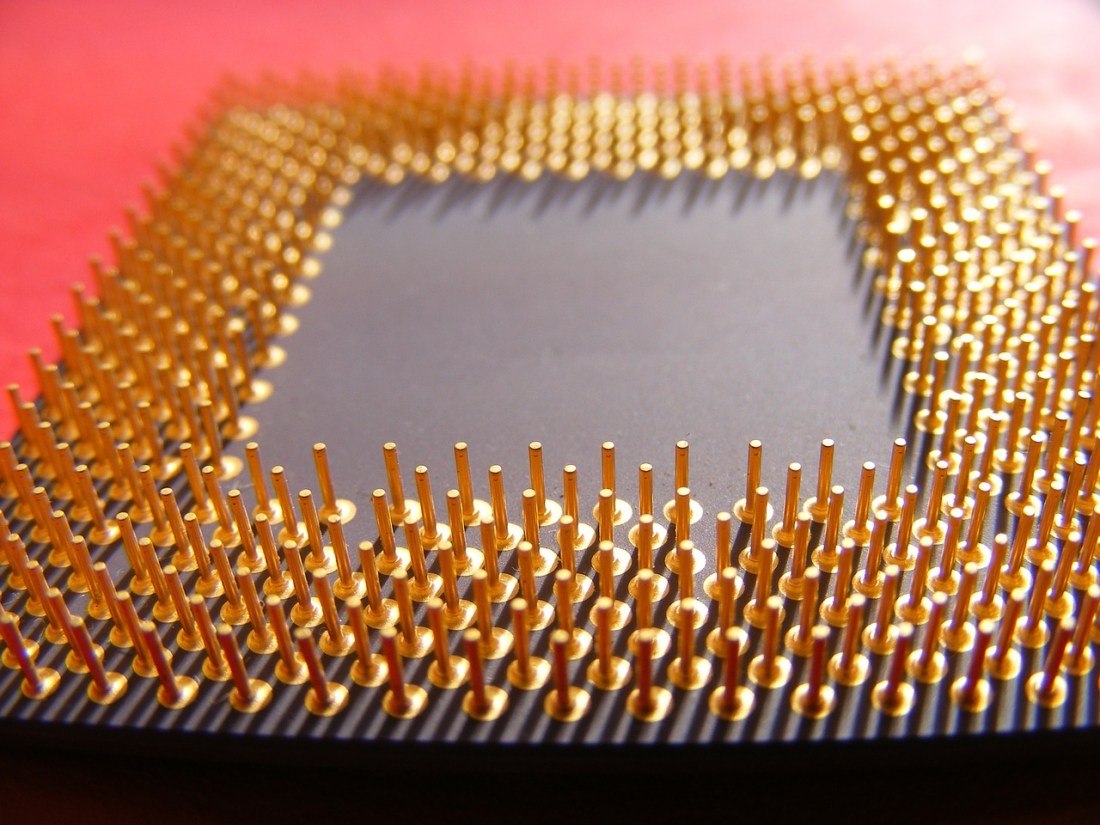
The most expensive CPUs in your data centre aren't the ones doing the most work – they're the ones sitting idle waiting for storage. Here's why I/O latency is a hidden CPU tax.
Last week I attended Oracle OpenWorld 2013 in the stunning city of San Francisco, along with 60,000 other attendees. At times it felt like we'd taken over the entire city, with every street, bus, billboard and hotel plastered in Oracle logos and pictures of engineered systems... although apparently there was some other stuff going on … Continue reading OOW13: The Future Is Here (Just Don’t Mention “Legacy”)

