
Putting Oracle redo logs on SSD is a common reflex response to slow databases – but it usually misdiagnoses the problem, and SSDs handle write-heavy sequential workloads worse than you might expect.
Storage Myths: Put Oracle Redo on SSD

Putting Oracle redo logs on SSD is a common reflex response to slow databases – but it usually misdiagnoses the problem, and SSDs handle write-heavy sequential workloads worse than you might expect.
I see this type of article pop up all the time on places link LinkedIn and SlideShare. Here's my response... Choose an arbitrary number of items, e.g. 7 Combine this with a suitable noun that the number will describe, e.g. steps, tips, ways, methods etc Make sure you put this combination at the start of … Continue reading 7 Steps to Guarantee People Will Read Your Posts

IOPS figures dominate flash storage marketing, but for databases latency is the metric that matters – high IOPS at unpredictable latency deliver no real-world value.
I'm back at work today after a week's travelling around Europe followed by a week's holiday sailing around the Ionian Sea. I have to say that I'd rather still be on holiday. It's not that I don't enjoy my job (I love it) but... Today, I need to install some database software - and it … Continue reading The Role Of The DBA
Using SLOB2 to measure how Oracle's database block size affects physical I/O performance – with results that challenge some common assumptions about blocksize tuning.
A curious SLOB result reveals how Oracle's PL/SQL engine optimises commits in ways that affect benchmark results – and what it means for workload testing methodology.
SLOB2 – the Silly Little Oracle Benchmark – is the most reliable way to generate controlled physical I/O on Oracle. Here's why every DBA should have it and how to get started.
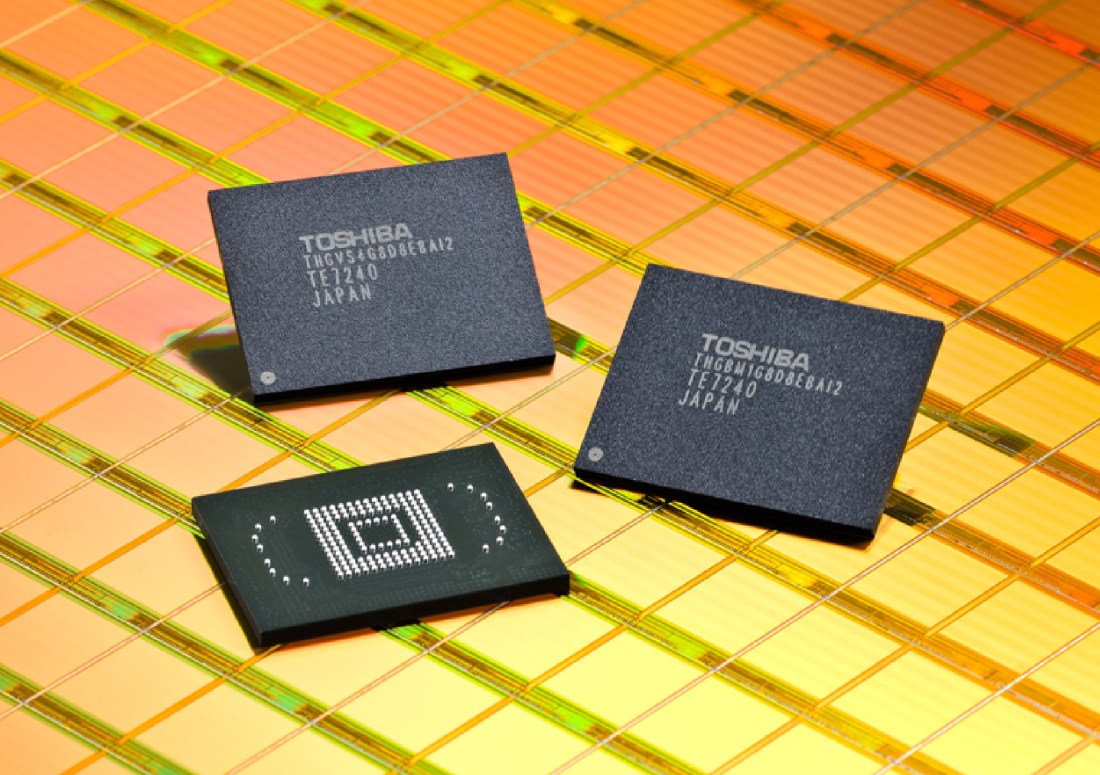
NAND flash development is driven by the consumer market – not the enterprise. The question to ask any flash vendor isn't "how fast?" but "where's your innovation?"

Not every database benefits from flash storage – knowing when it matters requires understanding how much I/O your workload generates, how random it is and how much latency is already costing you.

Disk I/O forces a choice between random and sequential access – and that choice defines whether latency compounds or disappears. Flash makes the distinction irrelevant.

