
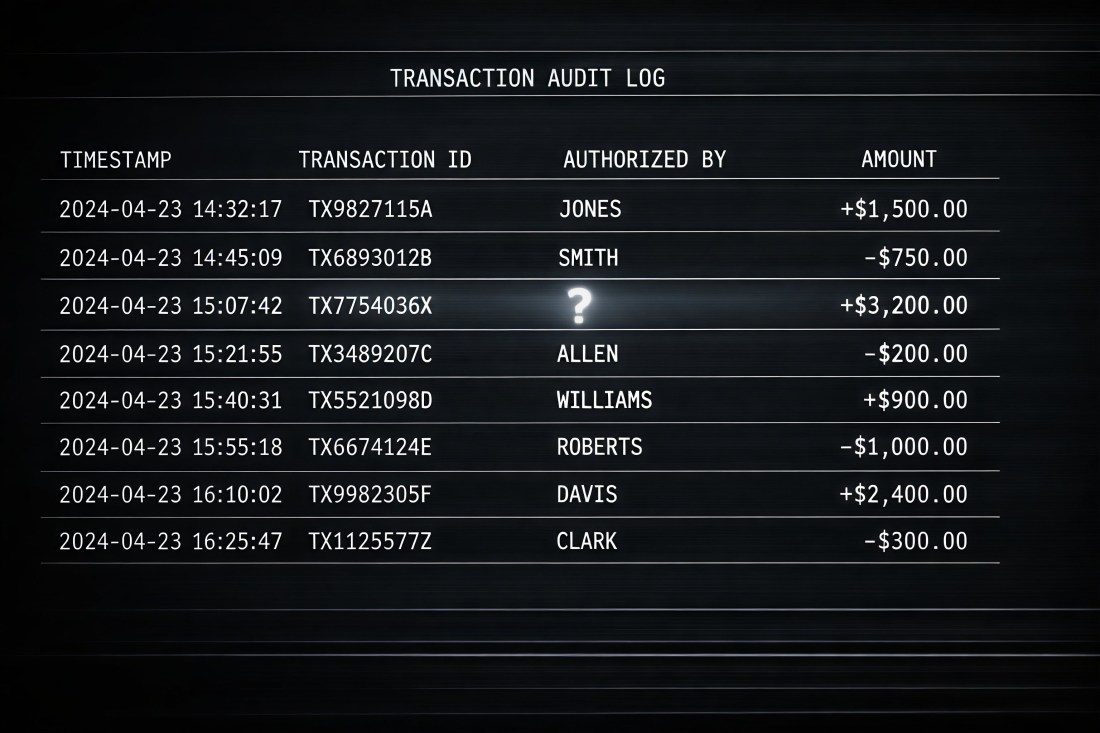
ACID assumes human intent behind every commit. AI agents expose this as an architectural gap – and the enterprise transaction model has no mechanism to detect it.
Transactions Assume Intent. Agents Don’t Guarantee It
The cloud is built on abstraction, standardisation, and scale. It works because most workloads can be made to look the same.
Databases are the exception. Their performance characteristics, failure modes, and architectural constraints are deeply tied to how they are built and deployed.
As AI increases the pressure on data systems, the tension between cloud uniformity and database specificity becomes more visible.
ACID assumes human intent behind every commit. AI agents expose this as an architectural gap – and the enterprise transaction model has no mechanism to detect it.

AI agents don’t just add database load – they change its shape. This article explains the three new patterns: compression, expansion and recursion.
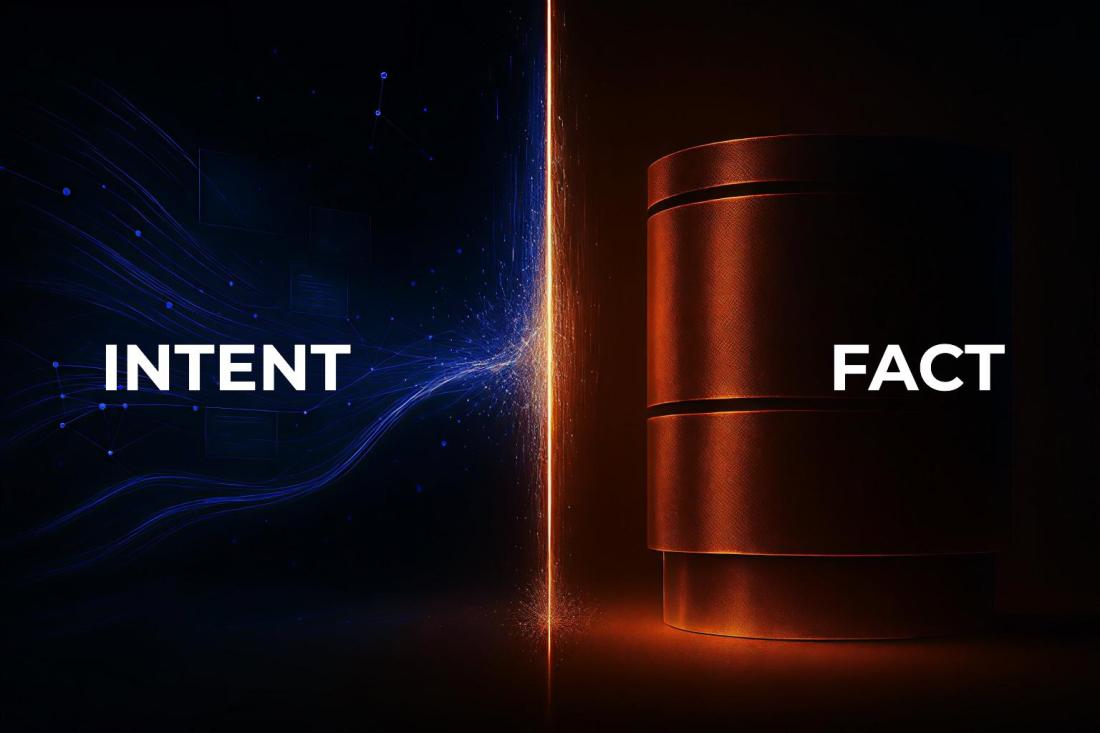
AI can replace interfaces but not systems of record. The database commit is where intent becomes enterprise reality – and that boundary matters more than ever.
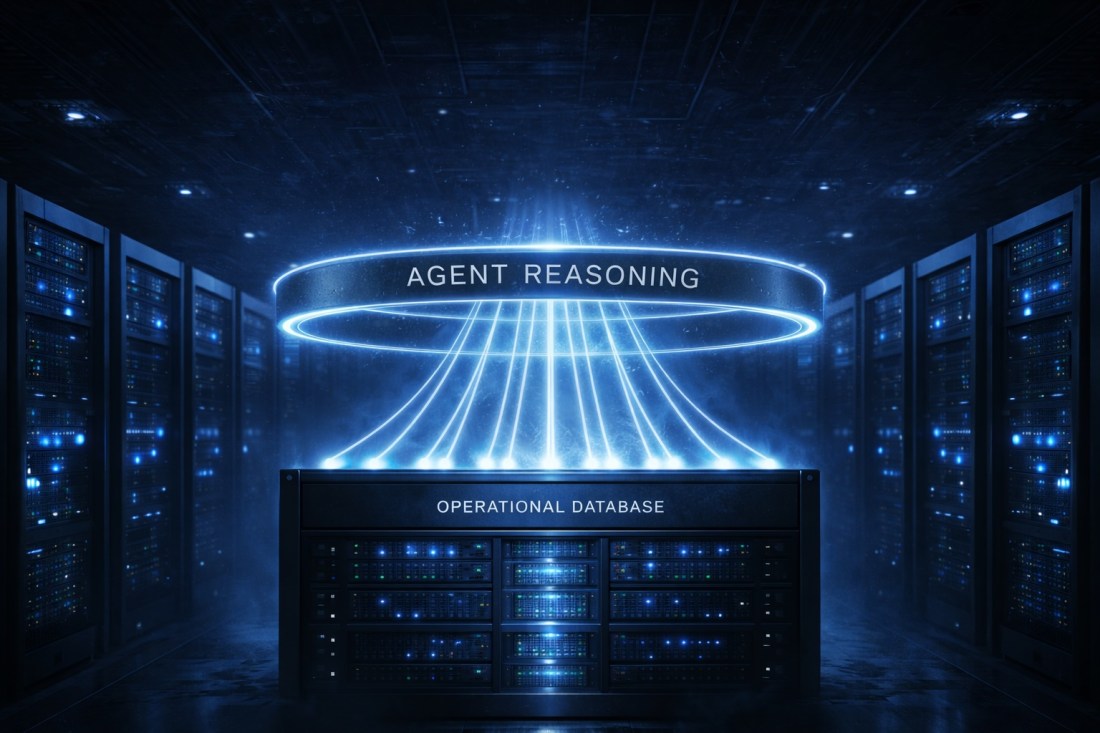
AI agents querying live databases generate unplanned load that breaks enterprise performance assumptions. This article explains the hidden cost for systems of record.
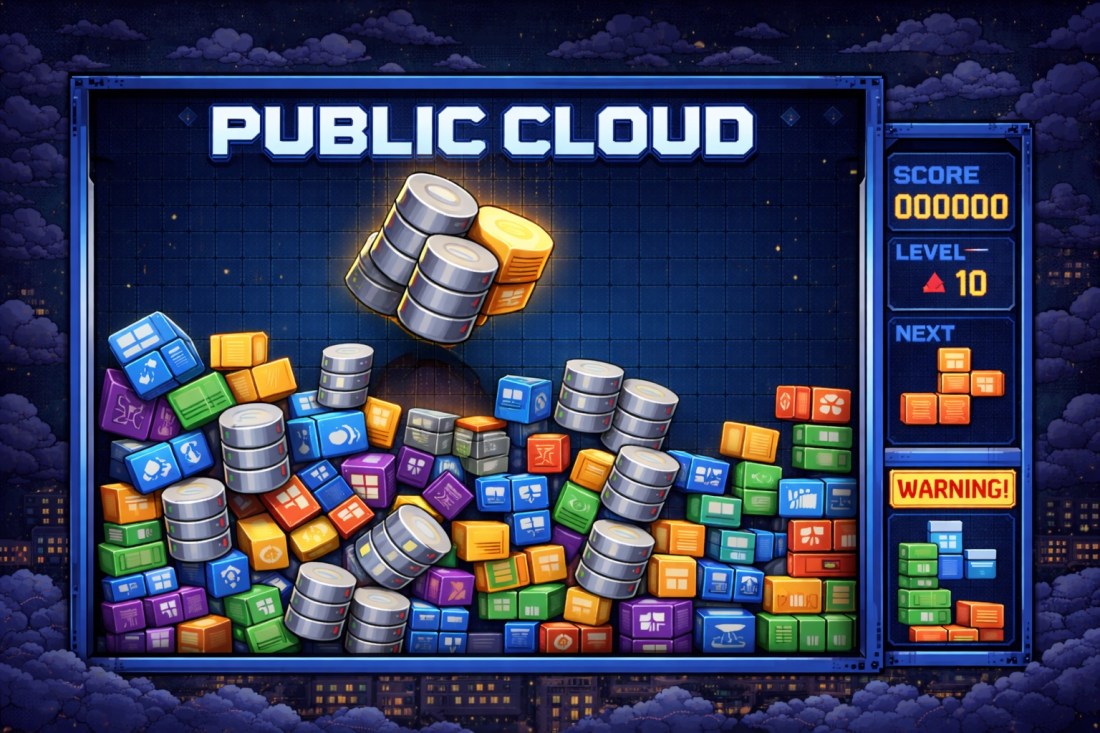
Cloud infrastructure assumes workloads are uniform. Enterprise databases are the exception – and AI is making that tension more visible than ever.
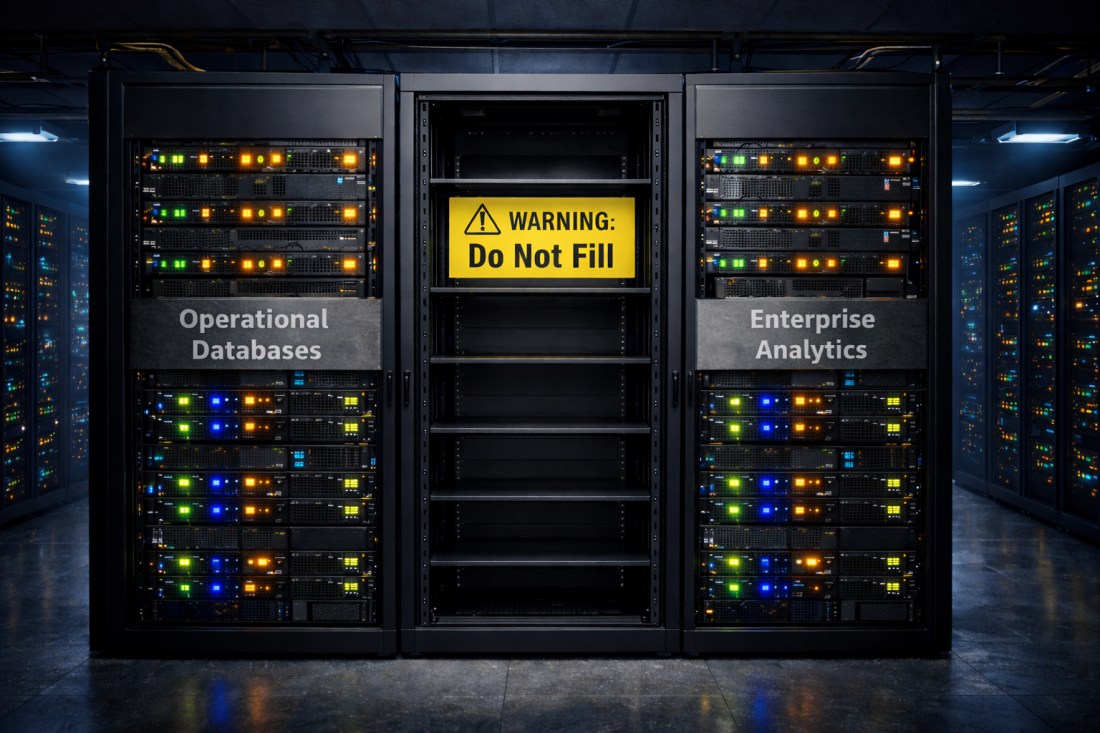
For two decades, DBAs protected production databases from analytics workloads. AI agents have ended that truce and the consequences go deeper than most realise.

AI agents bypass dashboards and query databases directly. This article explains what that means for the architecture of enterprise data systems and systems of record.
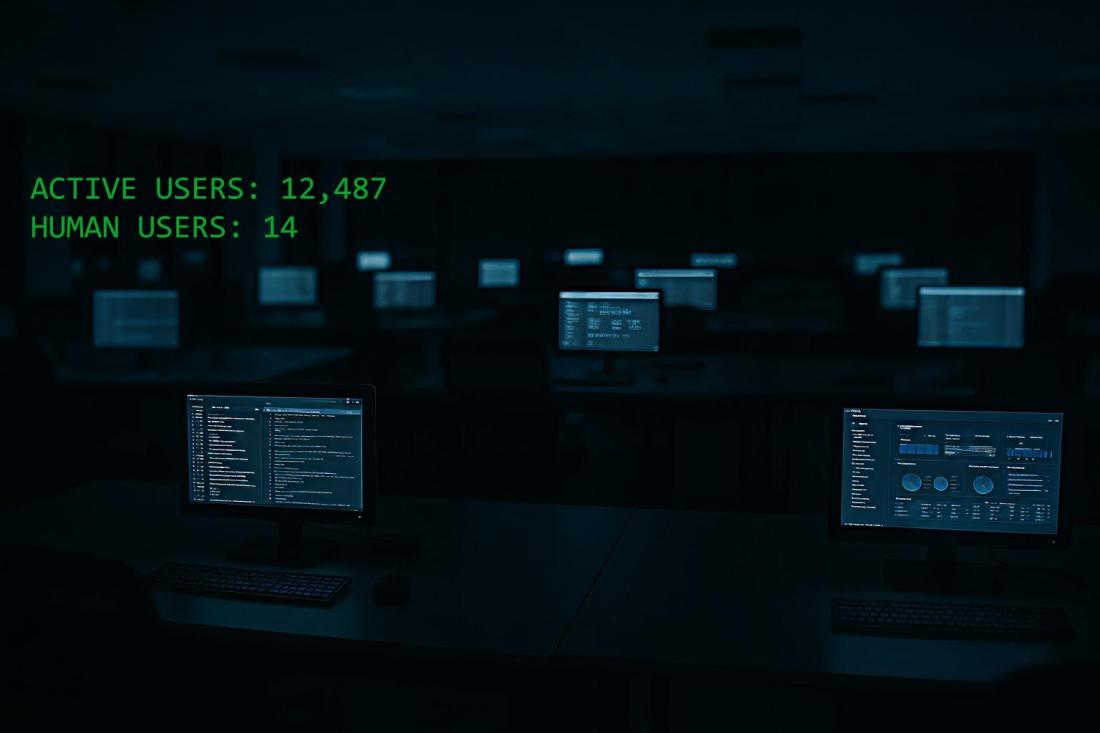
Databases were designed for human-paced interaction – sessions, think time and deliberate intent. AI agents remove all three assumptions simultaneously.
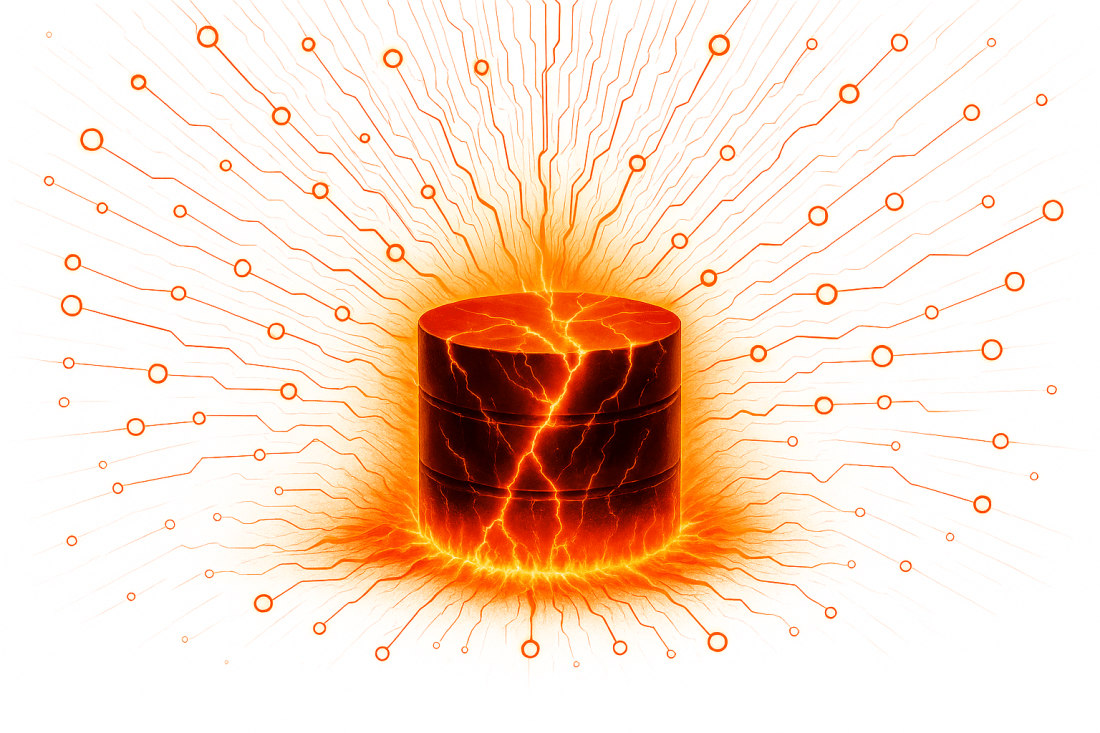
AI inferencing is a database problem disguised as an AI problem. Real-time model workloads expose latency and concurrency demands that enterprise storage wasn’t designed for.

Hyperscalers have solved cloud infrastructure for most workloads. High-performance RDBMS remains the exception – the gap between cloud promises and database reality is still real.

