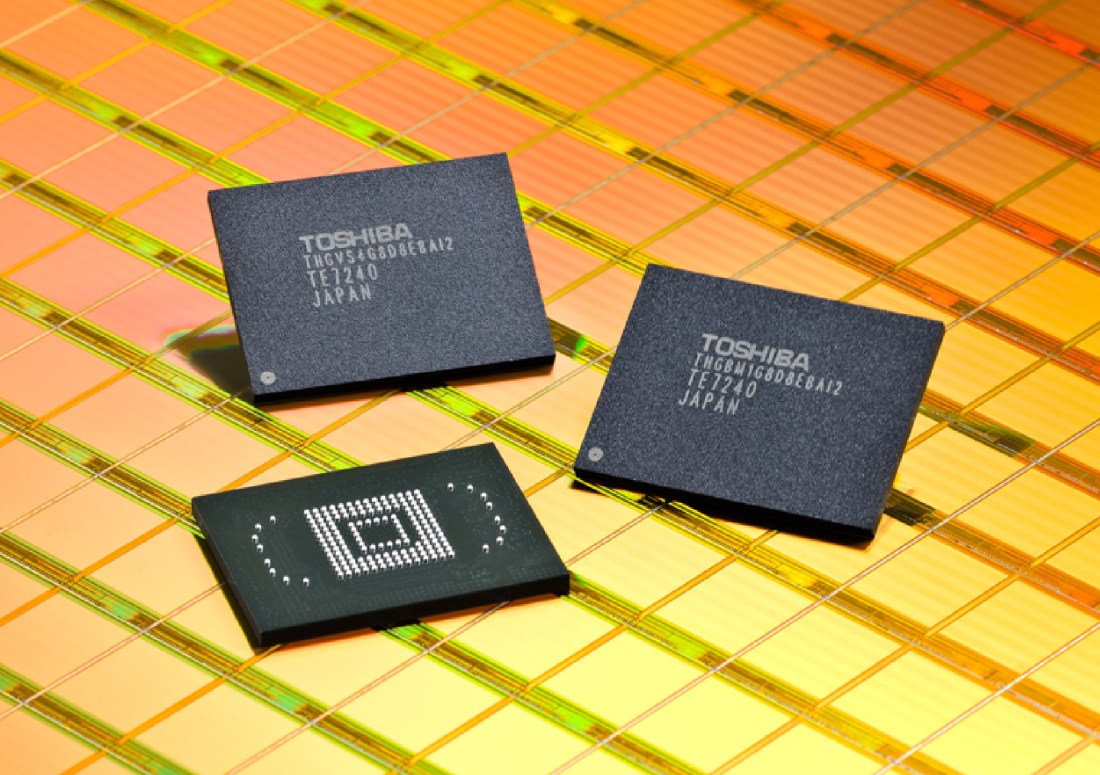
SLC, MLC and TLC NAND flash differ in how many bits each cell stores. More bits per cell means lower cost and higher density – but slower performance and reduced endurance. This article explains the trade-offs for enterprise storage.
Tag: Storage for DBAs
Understanding Flash: Blocks, Pages and Program / Erases
NAND flash memory stores data in pages but erases in blocks – a fundamental asymmetry that shapes everything from SSD performance to all-flash array design. This article explains the program/erase cycle and why it matters for database storage.
Understanding Flash: What Is NAND Flash?
NAND flash memory was invented in 1981 by Dr Fujio Masuoka at Toshiba. This article explains how flash works, why it differs from EPROM and EEPROM, and why program and erase operations behave differently.
Understanding Disk: Caching and Tiering
When I was a child, about four or five years old, my dad told me a joke. It wasn't a very funny joke, but it stuck in my mind because of what happened next. The joke went like this: Dad: "What's big at the bottom, small at the top and has ears?" Me: "I … Continue reading Understanding Disk: Caching and Tiering
Playing The Data Reduction Lottery
Storage for DBAs: Do you want to sell your house? Or your car? Let's go with the car - just indulge me on this one. You have a car, which you weren't especially planning on selling, but I'm making you an offer you can't refuse. I'm offering you one million dollars so how can you … Continue reading Playing The Data Reduction Lottery
Storage Myths: Storage Compression Has No Downside
Storage for DBAs: My last post in this blog series was aimed at dispelling the myth that dedupe is a suitable storage technology for databases. To my surprise it became the most popular article I've ever published (based on reads per day). Less surprisingly though, it lead to quite a backlash from some of the … Continue reading Storage Myths: Storage Compression Has No Downside
Storage Myths: Dedupe for Databases
Storage for DBAs: Data deduplication - or "dedupe" - is a technology which falls under the umbrella of data reduction, i.e. reducing the amount of capacity required to store data. In very simple terms it involves looking for repeating patterns and replacing them with a marker: as long as the marker requires less space than … Continue reading Storage Myths: Dedupe for Databases
Understanding Disk: Over-Provisioning
Storage for DBAs: In a recent news article in the UK, supermarket giant Tesco said it threw away almost 30,000 tonnes of food in the first half of 2013. That's about 33,000 tons for those of you who can't cope with the metric system. The story caused a lot of debate about the way in … Continue reading Understanding Disk: Over-Provisioning
Understanding Disk: Mechanical Limitations
Storage for DBAs: The year 2000. Remember that? The IT industry had just spent years making money off the back of the millenium bug (which turned out not to exist). The world had spent even more money than usual on fireworks, parties and alcohol. England failed to win an international football tournament again (some things … Continue reading Understanding Disk: Mechanical Limitations
Understanding Disk: Superpowers
Storage for DBAs: It's a familiar worn-out story. A downtrodden and oppressed population are rescued from their plight by a mysterious superhero. Over time they come to rely on this new superbeing - taking him for granted even, complaining when he isn't immediately available to save them and alleviate their pain. As the years progress, memories … Continue reading Understanding Disk: Superpowers