
A reproducible but unexplained bug: Oracle ASM behaves incorrectly when presented with 4k physical / 512-byte logical sector devices on the Unbreakable Enterprise Kernel.
Category: Blog
The Fundamental Characteristics of Storage
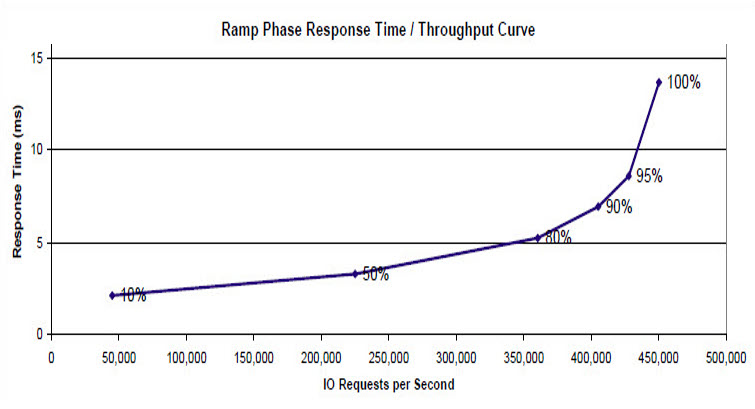
Latency, IOPS and bandwidth are the three properties that define any storage system – understanding how they relate to each other is the first step to knowing what your database actually needs.
Performance: It’s All About Balance…

Database performance problems are rarely solved by faster CPUs alone – the real issue is imbalance between resources, and disk latency is the silent bottleneck that flash storage changes.
New Blog Series: Storage For DBAs

DBAs and storage people speak different languages – this series bridges the divide, translating storage concepts into terms that make sense from a database perspective.
Inserting Formatted Code into WordPress
A lot of people I know use WordPress.com, including me for this blog. One of the common complaints I hear is that it's not easy to insert formatted text such as source code or, in my case, snippets from Oracle AWR Reports. I don't have a problem with this, because I have developed a way … Continue reading Inserting Formatted Code into WordPress
AWR Generator
A script that automates the generation of multiple consecutive Oracle AWR reports – useful for profiling database performance across time without manual intervention.
Engineered Systems – An Alternative View
Everyone in enterprise IT is selling "engineered systems". Here's an independent assessment of what the term actually means and whether the integrated appliance model lives up to its promises.
The Standard Tech Industry Sales Pitch
The tech industry is full of people, companies and organisations that want your attention, your custom and your money. There are so many of them out there it's mind-boggling - so how does one go about standing out from the crowd? The winners are the ones that can differentiate themselves from the rest - the ones that … Continue reading The Standard Tech Industry Sales Pitch
Database Workload Theory
Before you can benchmark or optimise a database, you need a model of what a database workload actually is. Here's the theoretical foundation – and why it matters more than most DBAs realise.
Auto DOP with High Performance Storage
Oracle's Automatic Degree of Parallelism assumes storage is slow. On flash, those assumptions break down – here's what happens to Auto DOP behaviour when you remove the I/O bottleneck.

