
Oracle database licensing is eye-wateringly expensive per CPU core – and storage costs, often seen as prohibitive, represent a surprisingly small fraction of the total three-year spend.
The Real Cost of Enterprise Database Software

Oracle database licensing is eye-wateringly expensive per CPU core – and storage costs, often seen as prohibitive, represent a surprisingly small fraction of the total three-year spend.

Putting Oracle redo logs on SSD is a common reflex response to slow databases – but it usually misdiagnoses the problem, and SSDs handle write-heavy sequential workloads worse than you might expect.

IOPS figures dominate flash storage marketing, but for databases latency is the metric that matters – high IOPS at unpredictable latency deliver no real-world value.
Using SLOB2 to measure how Oracle's database block size affects physical I/O performance – with results that challenge some common assumptions about blocksize tuning.
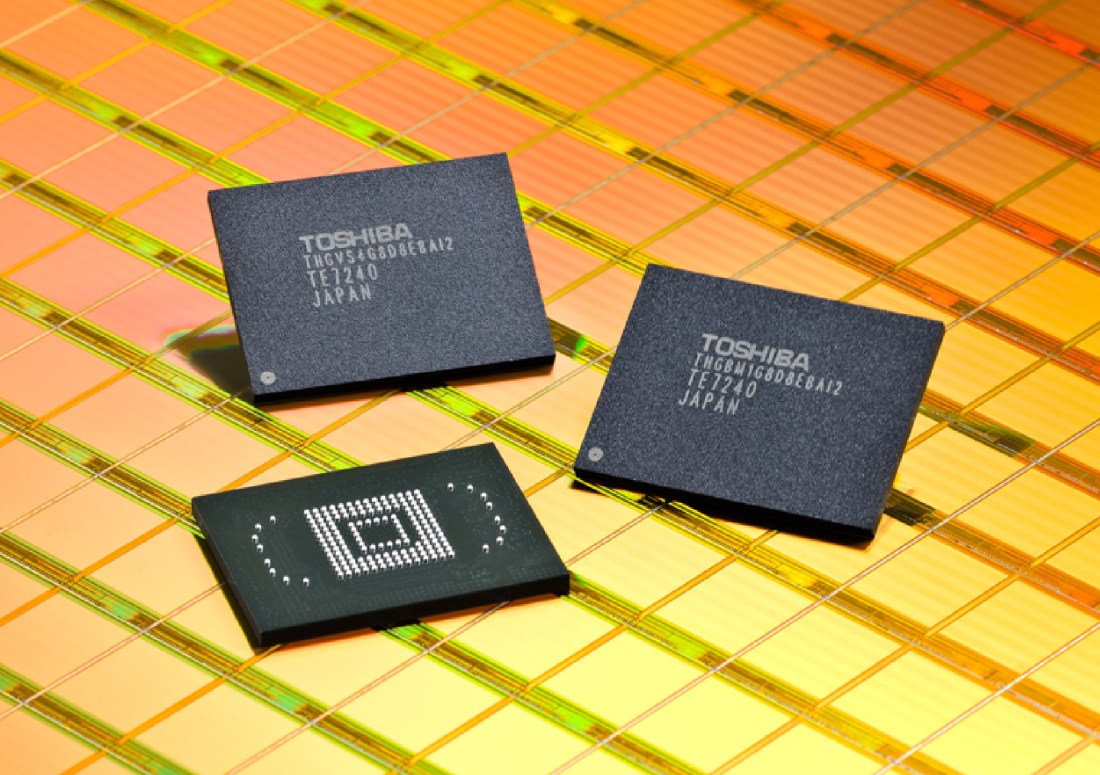
NAND flash development is driven by the consumer market – not the enterprise. The question to ask any flash vendor isn't "how fast?" but "where's your innovation?"
Not every database benefits from flash storage – knowing when it matters requires understanding how much I/O your workload generates, how random it is and how much latency is already costing you.

Disk I/O forces a choice between random and sequential access – and that choice defines whether latency compounds or disappears. Flash makes the distinction irrelevant.
Before you can benchmark or optimise a database, you need a model of what a database workload actually is. Here's the theoretical foundation – and why it matters more than most DBAs realise.
Analytics has always been constrained by storage latency – queries that take hours are useless for real-time decisions. Flash collapses that latency and makes human-time analytics possible.
Running everything in memory sounds like it makes storage irrelevant. It doesn't – flash is what enables in-memory architectures to reach their full potential, for three distinct reasons.

