
Seven years in the all-flash storage industry ends with one conclusion: hardware has lost the battle. The real competition now is in software, cloud and the economics of abstraction.
The Final Post: Hardware Is Dead

Seven years in the all-flash storage industry ends with one conclusion: hardware has lost the battle. The real competition now is in software, cloud and the economics of abstraction.

A retrospective on seven years in the All-Flash storage industry – from Violin Memory’s $2bn valuation to Chapter 11, through acquisitions and consolidation, to the conclusion that the flash wars had only one winner: cloud.

Scale-out adds performance by adding controller pairs, but forces unnecessary hardware spend when only capacity is needed. Combining independent scale-up and scale-out is the architecture that makes composable storage possible.

Enterprise storage has two independent requirements: capacity and performance. Scale-up-only architectures struggle to address both – hitting metadata and DRAM ceilings before either dimension is adequately satisfied.

Active/passive architecture limits a storage array to 50% of its available controller performance – and costs more per unit of throughput than a true active/active design.

When flash eliminated mechanical latency, the bottleneck moved – from the persistence layer to the controllers. Deduplication and data reduction now place crushing demands on controller CPU and DRAM.

NAND flash was declared dying in 2012 – but the industry's pivot to 3D NAND proved the sceptics wrong. Here's what the "Bleak Future" paper got right, and what it missed.

3D NAND stacks flash cells vertically rather than shrinking them further, overcoming the physical limits of 2D planar NAND. This article explains how V-NAND and charge trap flash work and why they matter for enterprise storage.
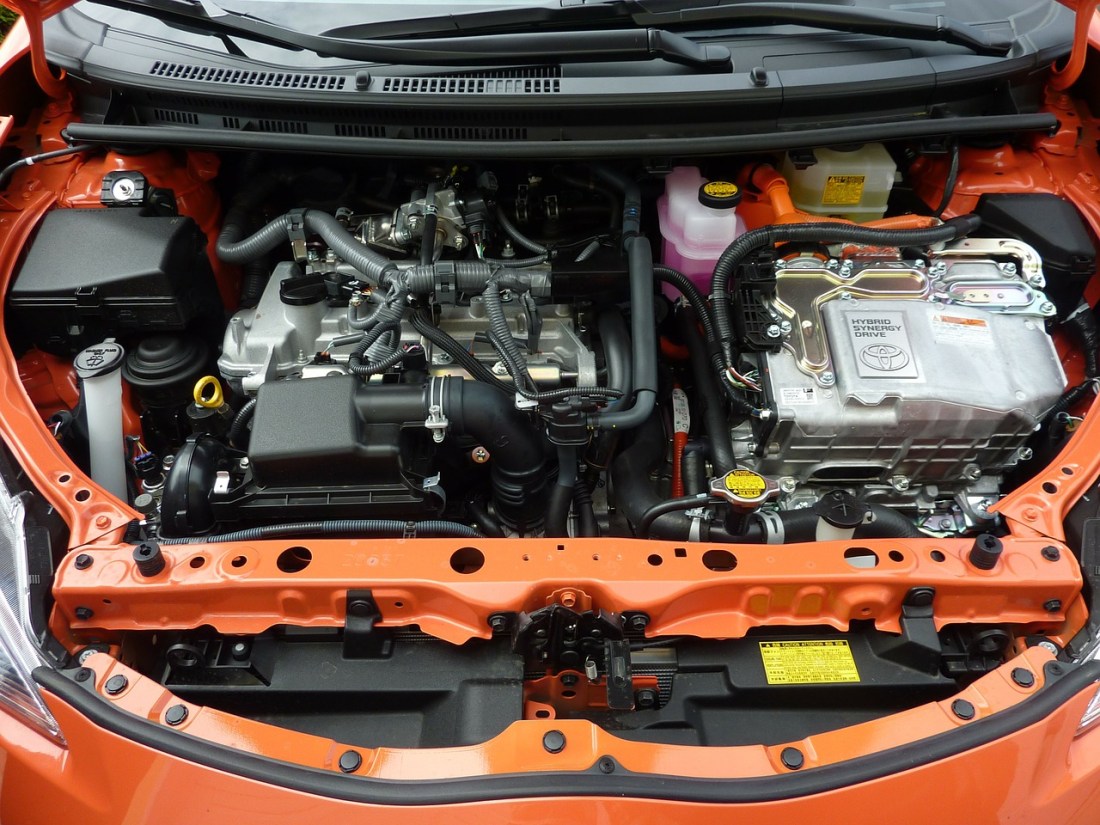
Hybrid flash arrays promise the best of disk and flash, but they exist only to bridge a gap that is already closing. This article uses the hybrid electric vehicle as a lens to argue that HFAs are a transitory solution – and that the gap is closing faster than they can fill it.
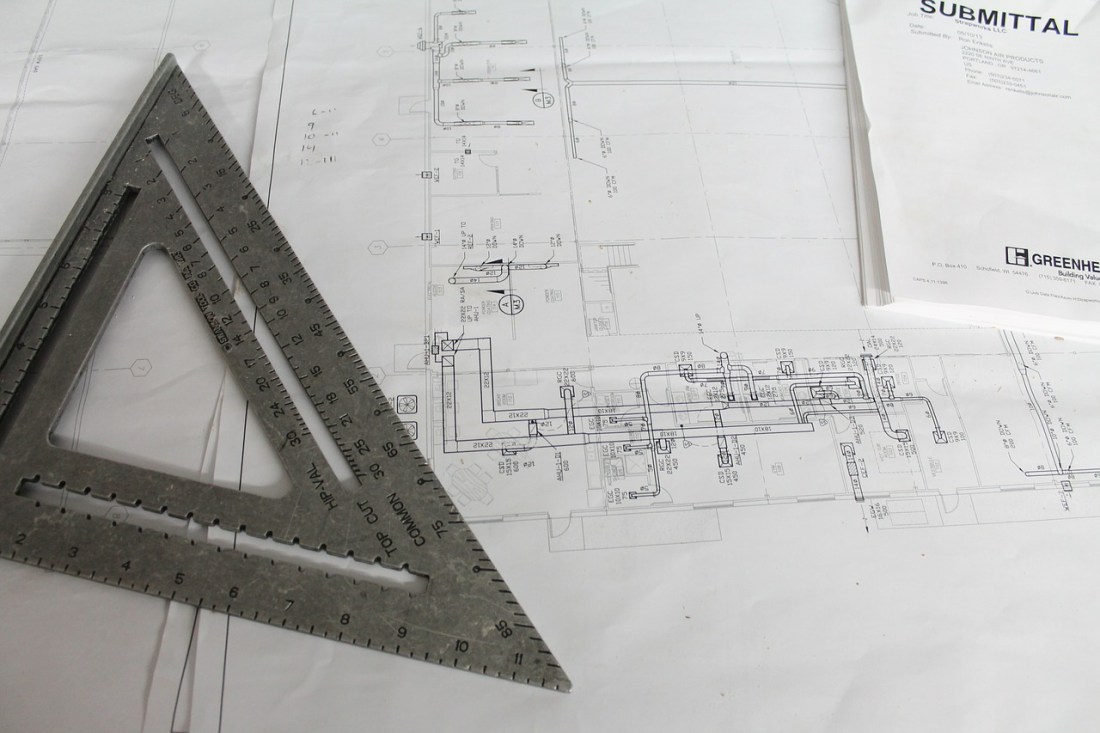
Should an all flash array use commodity SSDs or custom flash modules? This article compares the two architectures across time-to-market, economics of scale and design agility – and explains why the answer isn't as obvious as it might seem.

