
Not every database benefits from flash storage – knowing when it matters requires understanding how much I/O your workload generates, how random it is and how much latency is already costing you.
Does My Database Need Flash?
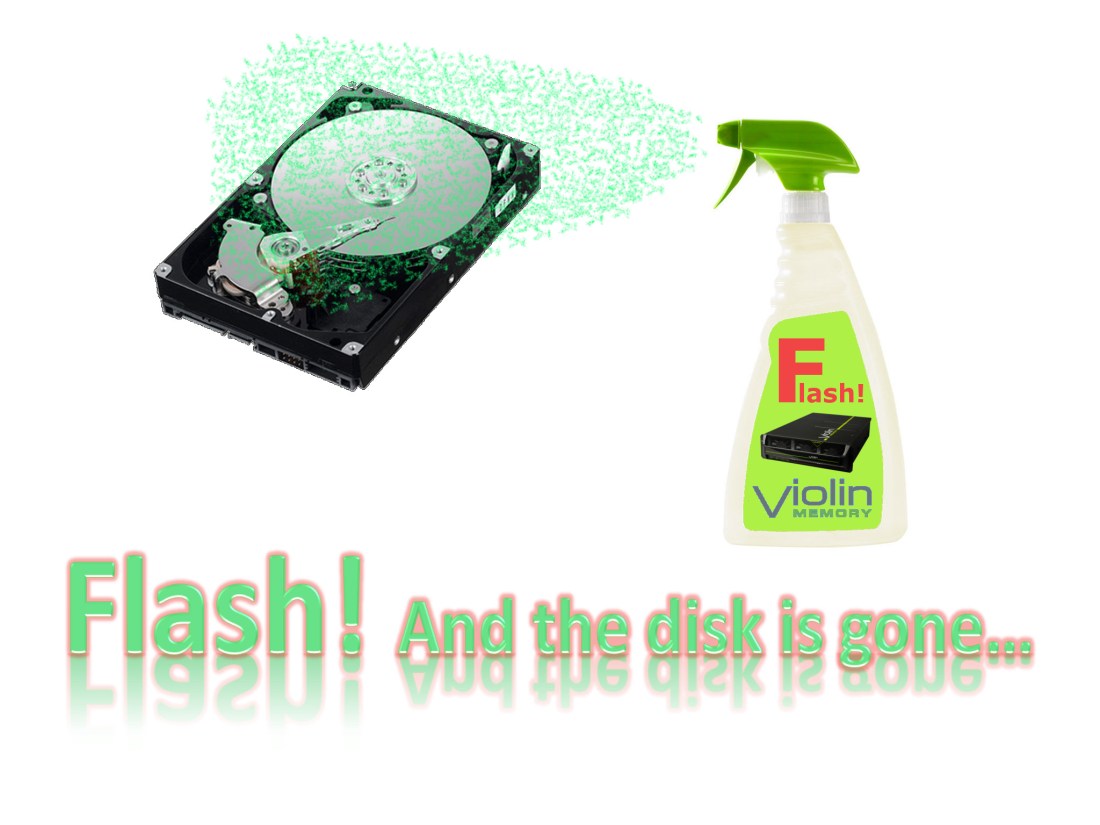
Storage is the foundation on which database performance is built. Latency, throughput, and consistency at this layer directly shape how systems behave under load.
While often abstracted away in modern architectures, storage characteristics continue to define the limits of what databases can achieve – especially as workloads become more demanding and less predictable.
Not every database benefits from flash storage – knowing when it matters requires understanding how much I/O your workload generates, how random it is and how much latency is already costing you.

Disk I/O forces a choice between random and sequential access – and that choice defines whether latency compounds or disappears. Flash makes the distinction irrelevant.
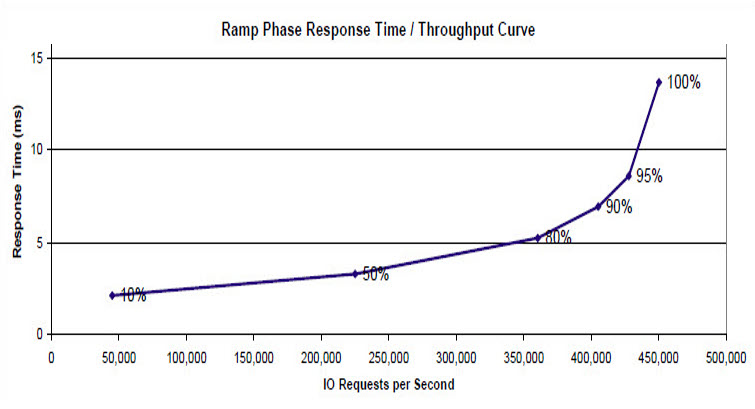
Latency, IOPS and bandwidth are the three properties that define any storage system – understanding how they relate to each other is the first step to knowing what your database actually needs.

Database performance problems are rarely solved by faster CPUs alone – the real issue is imbalance between resources, and disk latency is the silent bottleneck that flash storage changes.

DBAs and storage people speak different languages – this series bridges the divide, translating storage concepts into terms that make sense from a database perspective.
Everyone in enterprise IT is selling "engineered systems". Here's an independent assessment of what the term actually means and whether the integrated appliance model lives up to its promises.
Before you can benchmark or optimise a database, you need a model of what a database workload actually is. Here's the theoretical foundation – and why it matters more than most DBAs realise.
Analytics has always been constrained by storage latency – queries that take hours are useless for real-time decisions. Flash collapses that latency and makes human-time analytics possible.
Running everything in memory sounds like it makes storage irrelevant. It doesn't – flash is what enables in-memory architectures to reach their full potential, for three distinct reasons.
With definitions established, this post examines where HANA, Exadata X3 and flash memory each sit in the in-memory landscape – and what they actually have in common.

