
NAND flash development is driven by the consumer market – not the enterprise. The question to ask any flash vendor isn't "how fast?" but "where's your innovation?"
The Most Important Thing You Need To Know About Flash
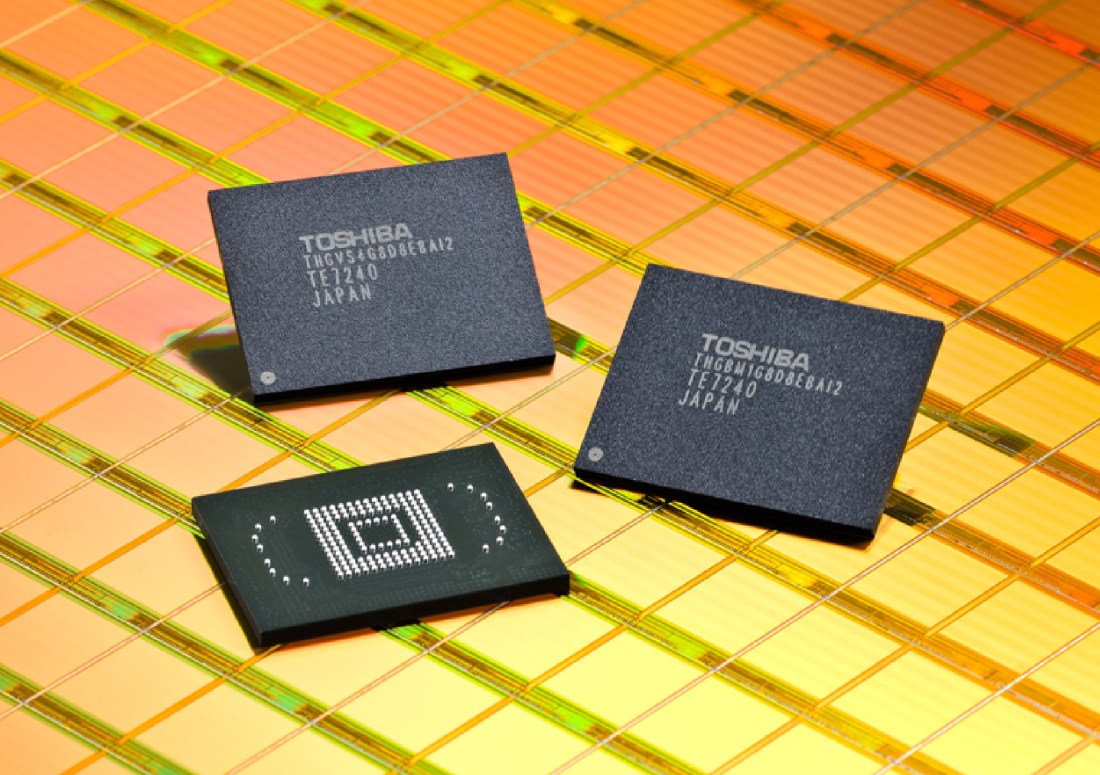
NAND flash development is driven by the consumer market – not the enterprise. The question to ask any flash vendor isn't "how fast?" but "where's your innovation?"
Not every database benefits from flash storage – knowing when it matters requires understanding how much I/O your workload generates, how random it is and how much latency is already costing you.

Disk I/O forces a choice between random and sequential access – and that choice defines whether latency compounds or disappears. Flash makes the distinction irrelevant.
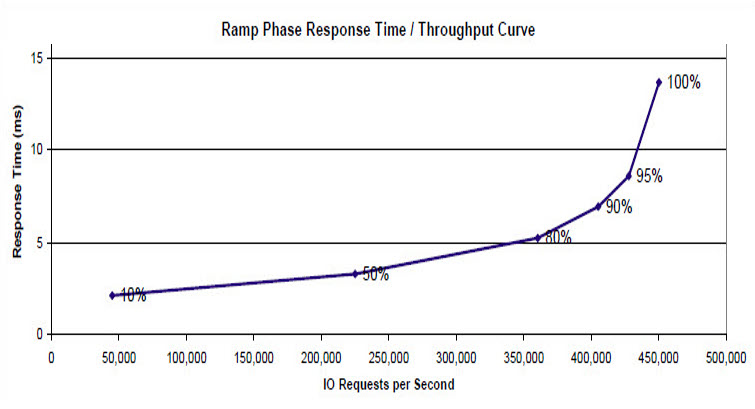
Latency, IOPS and bandwidth are the three properties that define any storage system – understanding how they relate to each other is the first step to knowing what your database actually needs.

Database performance problems are rarely solved by faster CPUs alone – the real issue is imbalance between resources, and disk latency is the silent bottleneck that flash storage changes.

DBAs and storage people speak different languages – this series bridges the divide, translating storage concepts into terms that make sense from a database perspective.
In the scientific world, theoretical physicists postulate theories and ideas, for example the Higgs Boson. After this, experimental physicists design and implement experiments, such as the Large Hadron Collider, to prove or disprove these theories. In this post I'm going to try and do the same thing with databases, except on a smaller budget, with less … Continue reading Database Workload Theory
Analytics. Apparently it's "the discovery and communication of meaningful patterns in data". Allegedly it's the "Next Holy Grail". By definition it's "the science of logical analysis". But what is it really? We know that it is considered a type of Business Intelligence. We know that when applied to massive volumes of information it is often described … Continue reading Flash Enables Human-Time Analytics
You might be tempted to think that In-Memory technologies and flash are concepts which have no common ground. After all, if you can run everything in memory, why worry about the performance of your storage? However, the truth is very different: In-Memory needs flash to reach its true potential. Here I will discuss why and … Continue reading Why In-Memory Computing Needs Flash
In the first part of this blog series on In Memory Databases (IMDBs) I talked about the definition of "memory" and found it surprisingly hard to pin down. There was no doubt that Dynamic Random Access Memory (DRAM), such as that found in most modern computers, fell into the category of memory whilst disk clearly … Continue reading In Memory Databases: HANA, Exadata X3 and Flash Memory (Part 2)
 flashdba